Florida Curr Dog
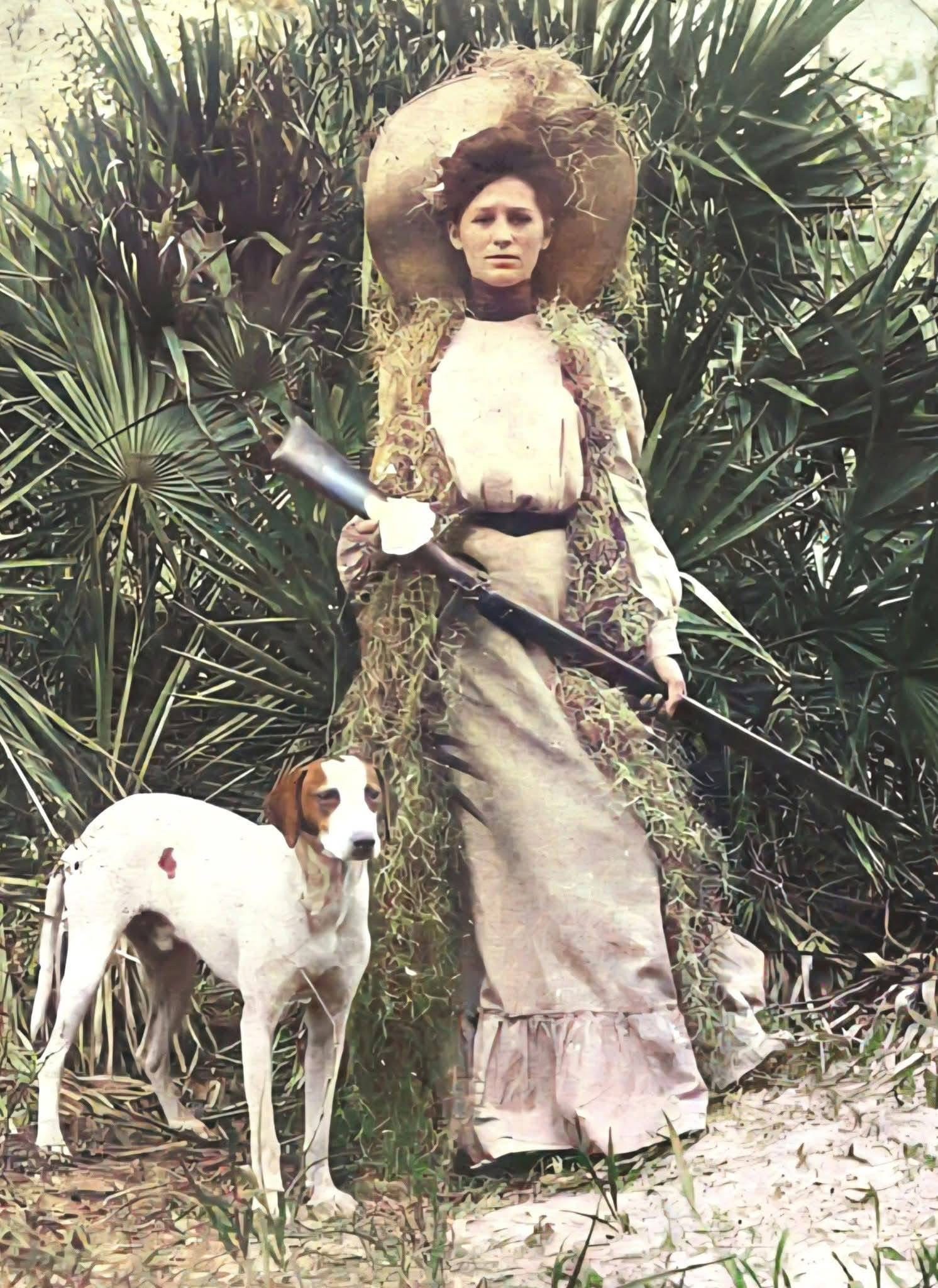
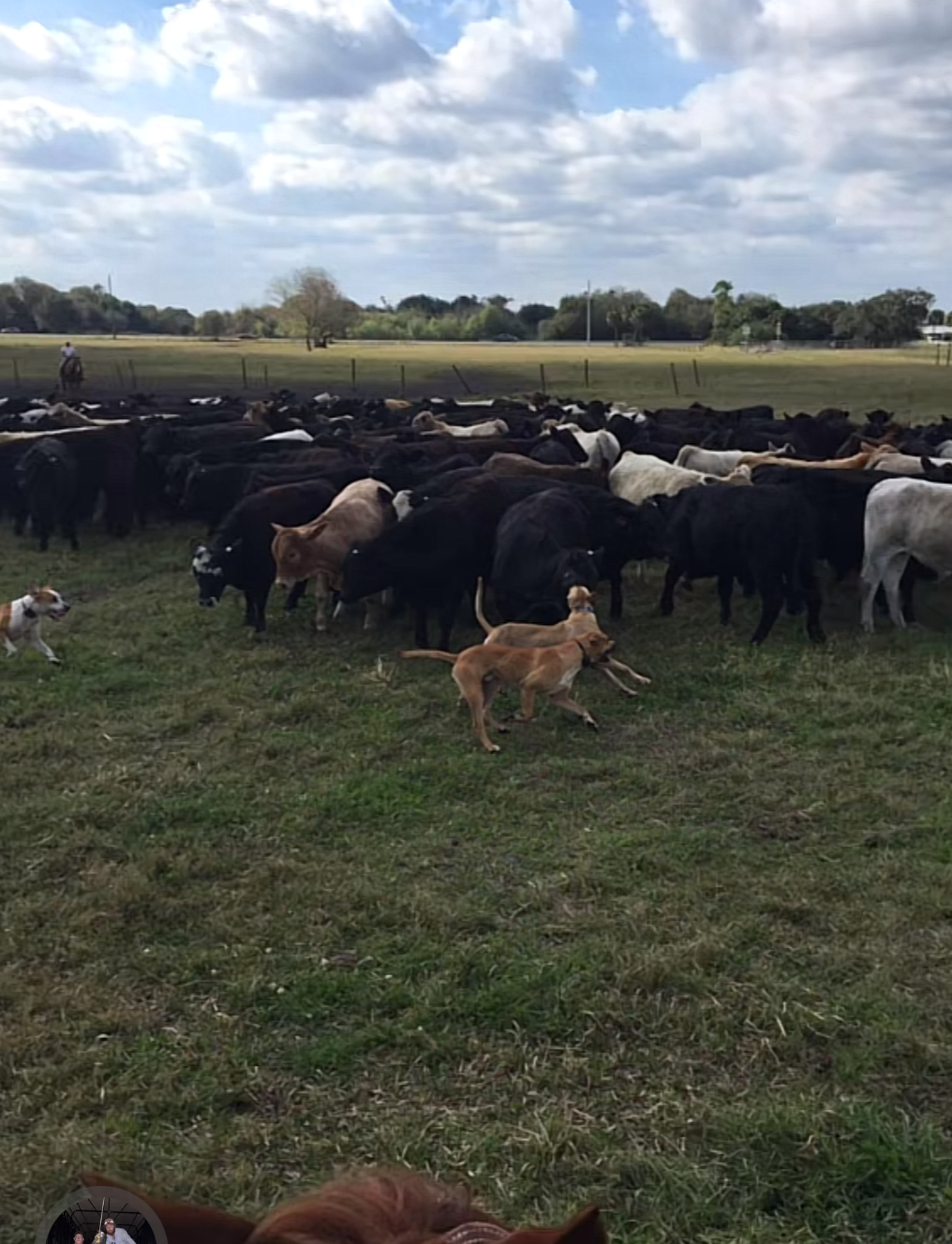
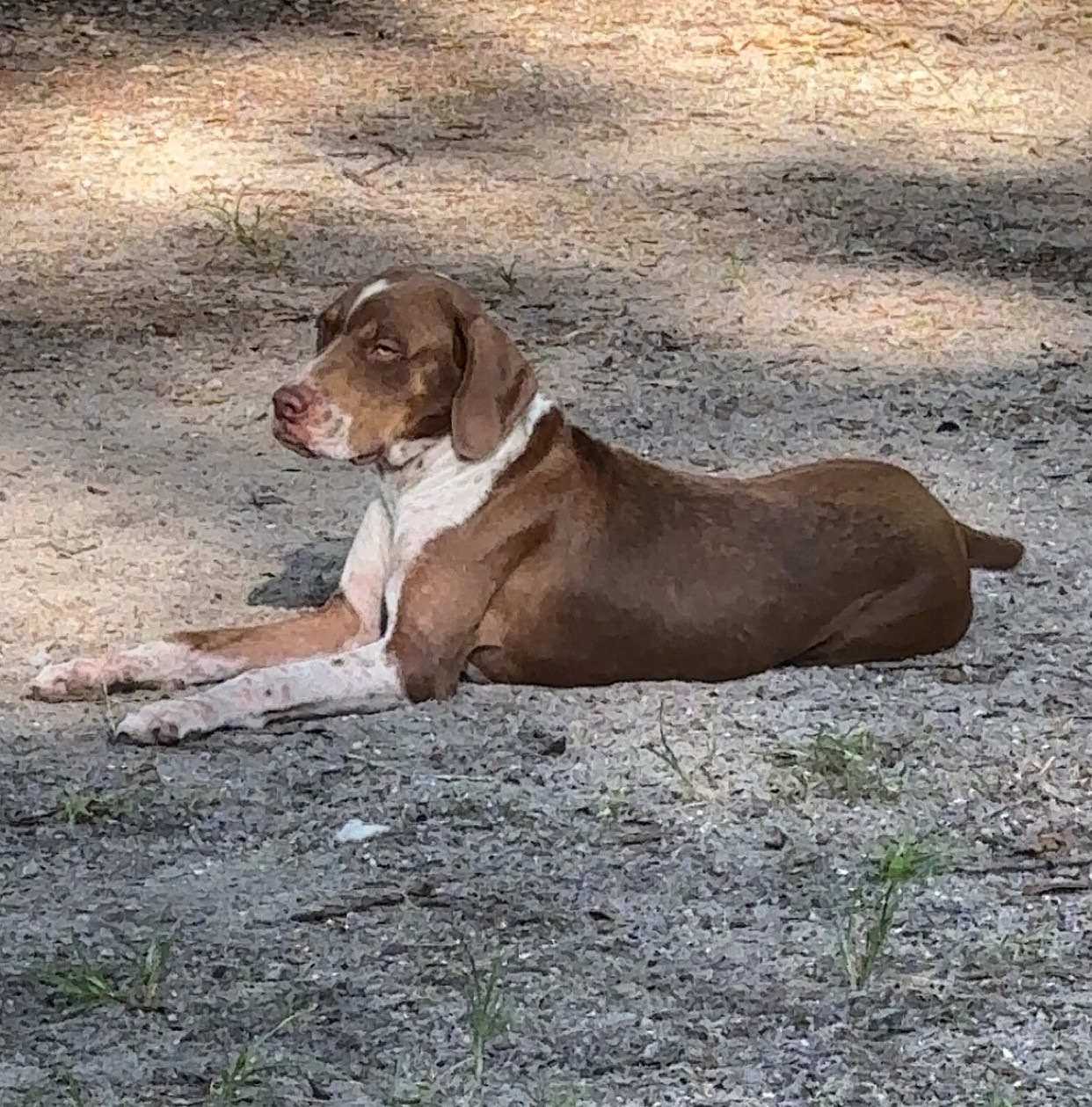
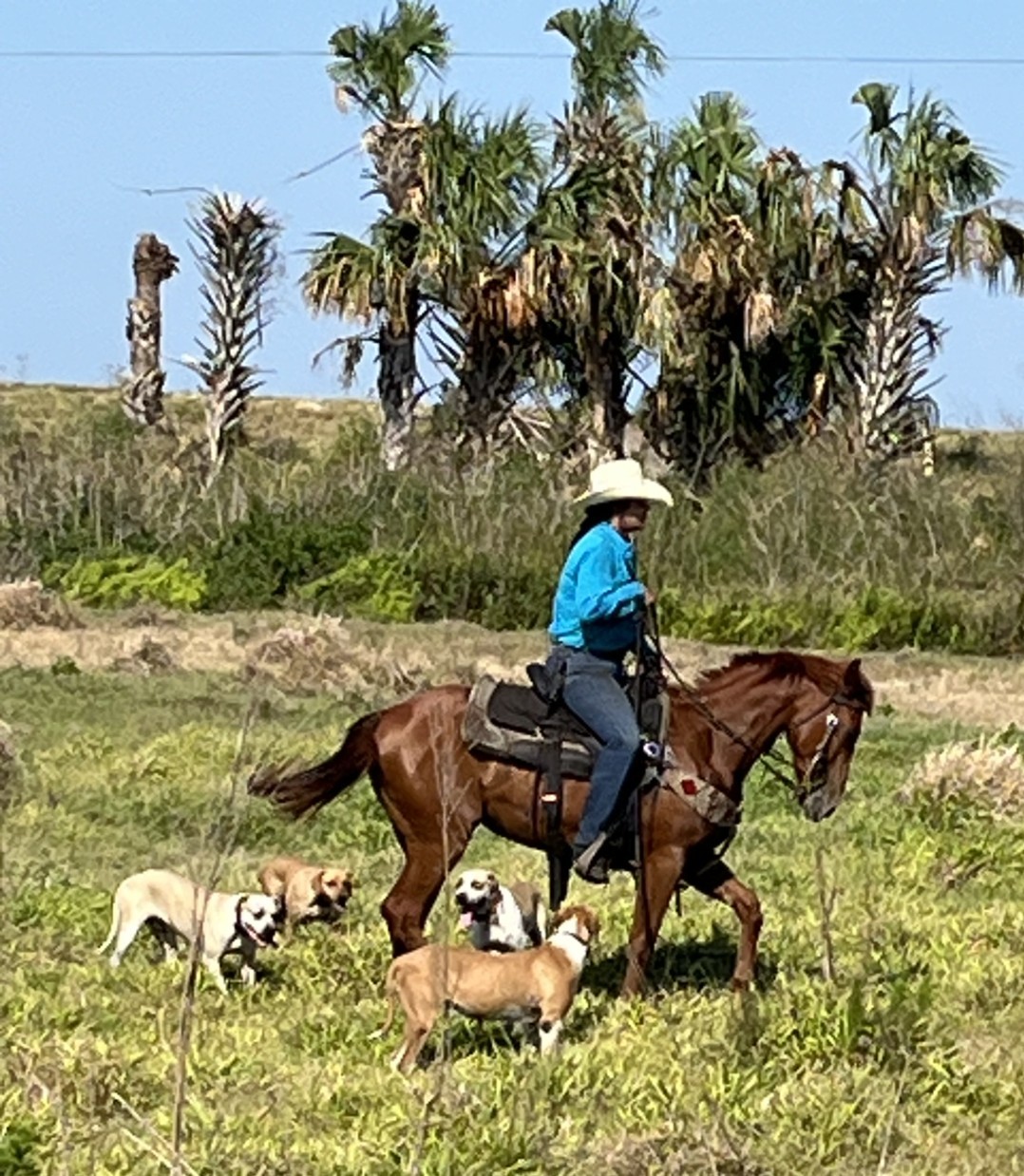
Phtoto Credit - Feral Child Kennels in Arcadia Flordia
Florida Curr Dog Breed Standard
General appearance-
Dogs should be well balanced with a deep chest and tight flank. They should have a free easy gait able to travel miles in hot wet or hot heavily wooded terrain while still able to maintain the ability to perform their jobs well. Primarily used as cattle and hog dogs, dogs should be mostly silent until cattle or hogs are stopped and "held up", Dogs go to the front of the herd of cattle, circling to keep them in one spot using teeth on ears and noses, and "lead" the cattle back to the bunch. They are also used to "hunt" cattle, gather them, hold them and bay to alert owners.
Character/ temperament-
Dogs should be loyal but aloof. Tending to be described as coyote ish. Preferring to spend down time at arms length of their family to rest while always being vigilant of their surroundings. They should be smart enough to read situations while both at work or at home, being very protective of THEIR horses, trucks, trailers, and people. Dogs should carry the stamina and strength to hunt all night while working all day keeping up with a horse. Dogs MUST have a job or they will make a job up.
Head-
Can be blocky bull dog type, houndy or sharp and coke bottle shaped but always in a triangular pattern with medium triangular hound ears. Eyes should be forward, clear, and always be watching. Eyes can be brown, amber, green or blue in color. The nose/muzzle should never be of a shape that inhibits air nor use of the mouth.
Neck-
The neck should be strong and muscular to protect the spine in work. The neck is muscular and of good length, without being overdone. The circumference of the neck widens from the nape to where the neck blends smoothly into the shoulders.
Faults: Neck too short and thick or too thin and weak; excess skin forming dewlap.
Body-
Body can be thick and square with a “bull dog” type build or thinner and sleek. All dogs should be well balanced and be able to carry themselves at a free gate.
Faults: to tight or unproportioned as unable to perform duties without getting tired or having to exert excessive energy.
Forequarter-
The shoulders are strong and smoothly muscled. The shoulder blades are long, wide, flat and well laid back. The upper arm is roughly equal in length to the shoulder blade and joins it at an angle sufficient to ensure that the foot falls under the withers. The elbows are close to the body and do not turn out. The chest should be deep and strong to allow adequate air intake.
Hindquarters-
Hindquarters are strong and smoothly muscled. Tied into the barrel and chest by a tight flank. Width and angulation of hindquarters are in balance with the forequarters.
Coat-
The coat should be smooth and tight as to keep them cool in the heat of harsh Florida summers. Skin should be tough with slight give to protect from thick underbrush and elements of the terrain they are exposed to.
Can be variations of Red, black, yellow, liver, Brindle, leapord or piebald with white, black tan, silver, white or brindle points and markings.
Tail-
The tail is a natural extension of the topline. It is thicker at the base, and tapers to the tip. The tail can be naturally docked, 3/4, 1/2 or full length. A full length tail may be carried upright with the tip curving forward when the dog is moving or alert or down and tucked with a nice swoop at the end. When the dog is relaxed, the tail hangs naturally, reaching to the hock joint. Dogs should be allowed to carry their tails naturally when being shown. Exhibitors should not hold tails upright. Regardless of tail it should compliment the body type of individual dog.
Faults: Ring tail; docked tail.
Disqualification: Complete absence of a tail (no external coccygeal vertebrae evident.)
Gait-
When trotting, the gait is smooth, fluid and effortless, showing good but not exaggerated reach in front and powerful drive behind. The topline remains level with only a slight flexing to indicate suppleness. Viewed from any position, legs turn neither in nor out, nor do feet cross or interfere with each other. As speed increases, feet tend to converge toward center line of balance. Poor movement should be penalized to the degree to which it reduces the dogs ability to perform the tasks it was bred to do.
Size -
Females can range anywhere from 35-60 lbs and are ideally 19-25" at maturity and males 40-80 lbs and are ideally 21-27" at maturity
Disqualifications
(A dog with a Disqualification must not be considered for placement in a conformation event, and must be reported to UKC.)
Unilateral or bilateral cryptorchid.
Viciousness or extreme shyness.
Unilateral or bilateral deafness.
Cropped ears.
Long coat.
Fuzzy coat that obscures the outline of the dog.
Solid white head.
Albinism.
Complete absence of a tail (no external coccygeal vertebrae evident.)